
Why China Expanded My Mind
Travel, conditioning, and the stories we inherit

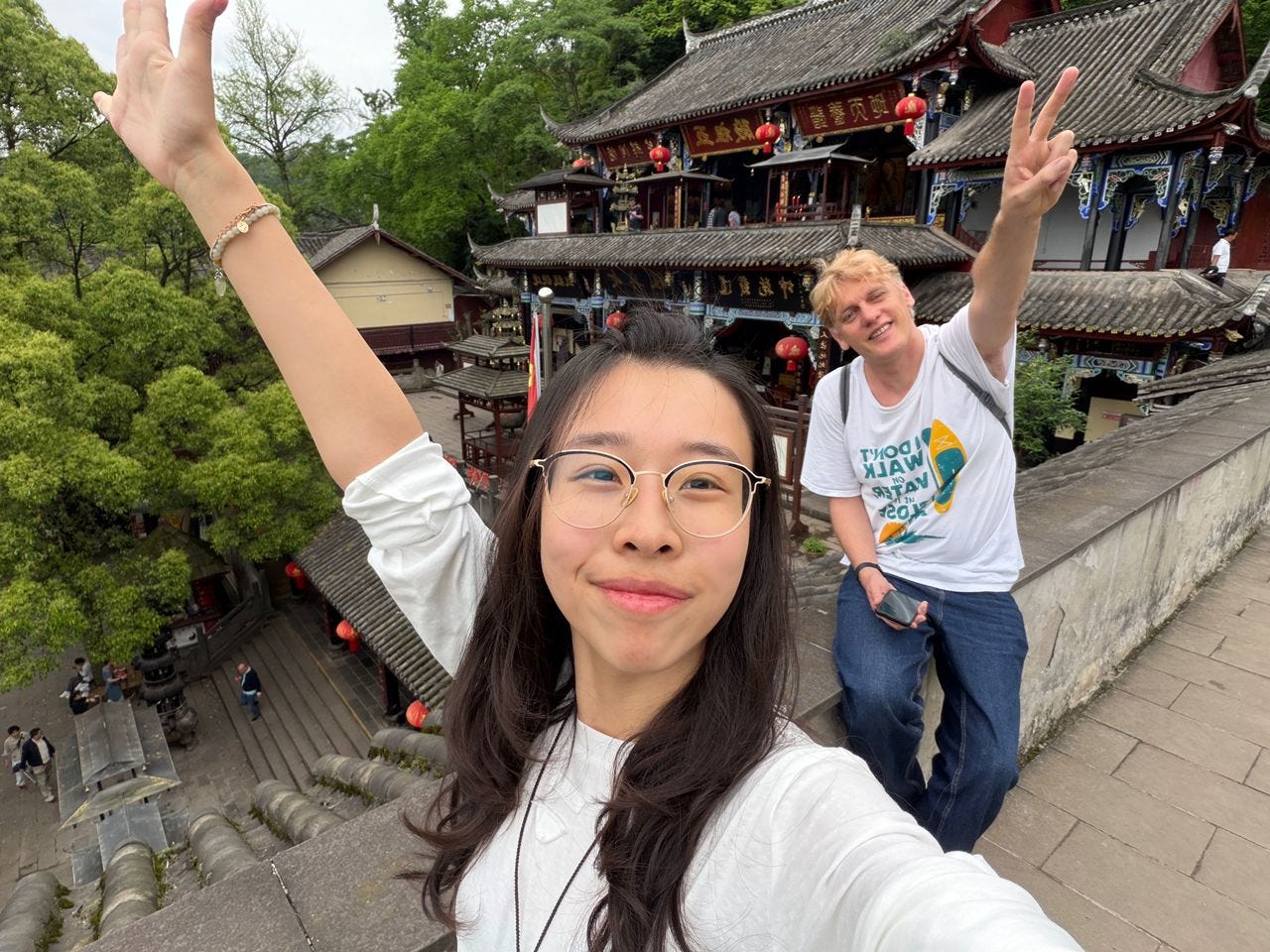
Hi there beautiful people, I hope you’re doing well. Here it is .. My article on what being in China was really like! .. Enjoy! 🤍
This article contains photos and videos and may be truncated outside Substack. To enjoy the full experience read at: robito.substack.com/p/why-china-expanded-my-mind
Context
Feeling free comes from getting to know your own personal deep inner connection to who you are, what you believe, what you want, and daring to trust and follow that — regardless of all we’ve been taught we should or should not believe ‘out there’. That is not easy.
Even if we understand that all the info about right and wrong we’re bombarded with — from family, teachers, politicians, peers, influencers, gurus, etc etc — is all just chosen narratives (a story each holds as true), and can never be the full picture, we all exist in bubbles of belief based on our conditioning.
So what do we learn about China? Something like: China has a totalitarian government; a people controlled by mass surveillance; a brainwashed army; digital currency; and a credit score system that limits people’s movements.
China, some say, is one of the biggest threats to our Western way of life.
I recently returned from a 30-day visit to China.
When we travel, we experience different ways of living that challenge what we think we know. When we experience things we’ve accepted as fact to be just narratives, and not the whole picture, this frees us from some of that outside conditioning.
I experienced this in Morocco chatting with women wearing hijabs who clearly wore the trousers in their relationships; I experienced it in Malaysia where people of multiple religions celebrate holidays from Buddhism; Hinduism; Christianity; to Chinese New Year — together; I experienced it in Portugal when the country lost electricity twice. No apocalyptic breakdown of society. People came together.
Not what we are taught.
China once again expanded my mind.
Travel does that.
Know someone who might need this today?
One clarification: I am not saying that bad things aren’t happening in China. But I am saying that bad things are happening everywhere. And .. so are good.
My intention is simply to share with you some of my personal observations being in China that challenge the stories we’ve been told, and what we’ve been taught.
Religion in China is not banned.
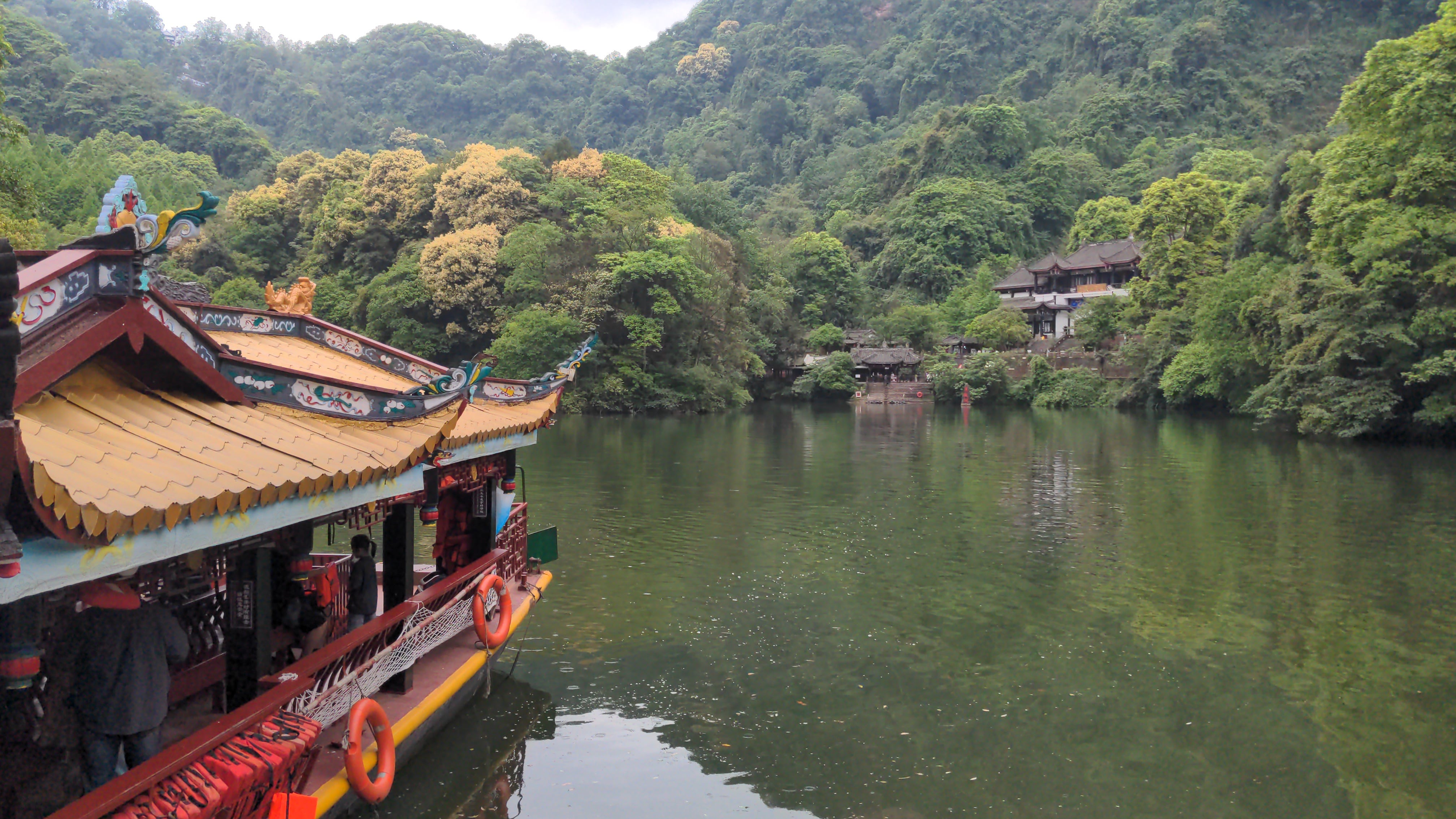
I visited many Buddhist temples, Taoist temples, a mosque, and a church .. with a huge cross visible from the street.
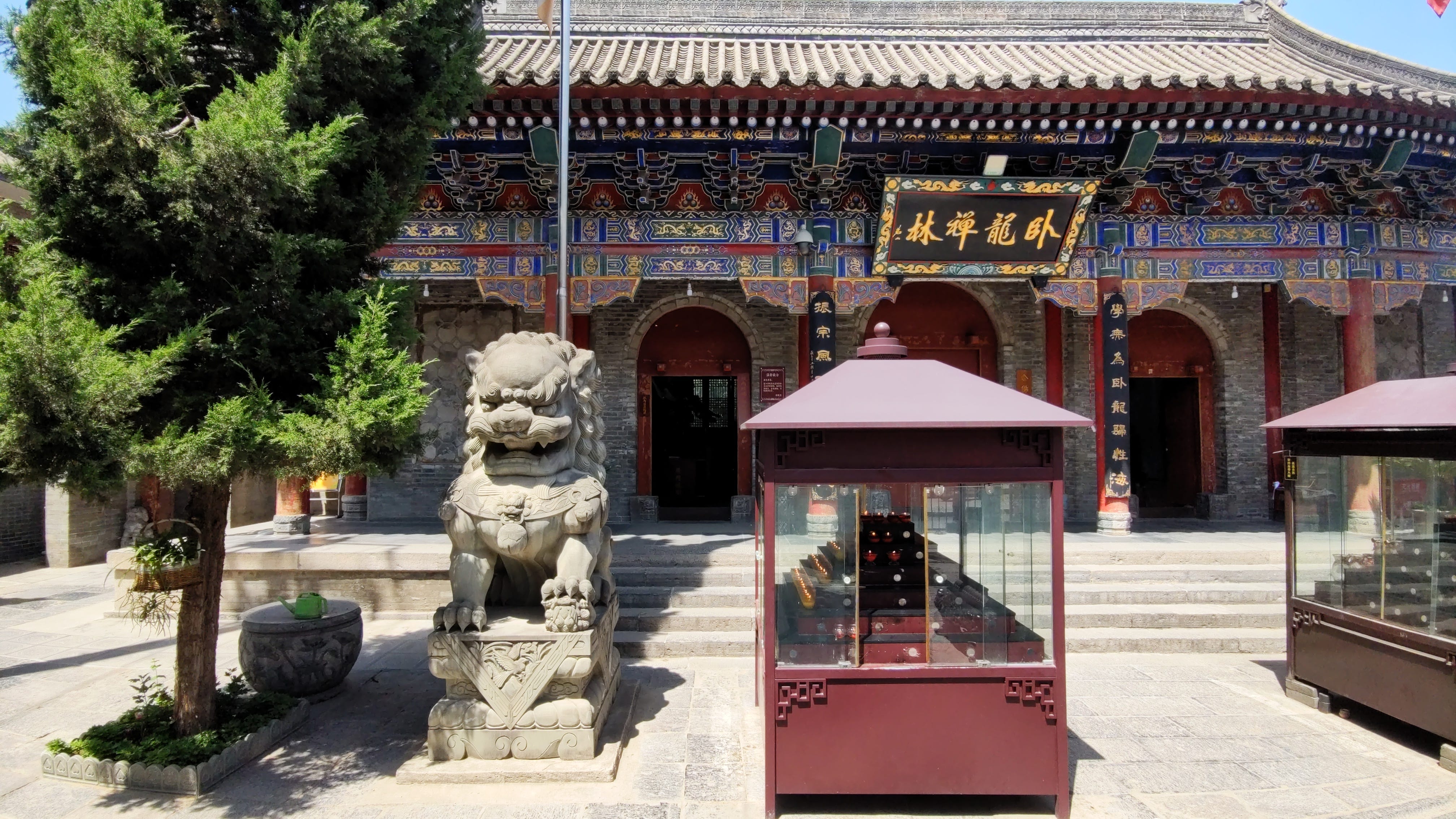
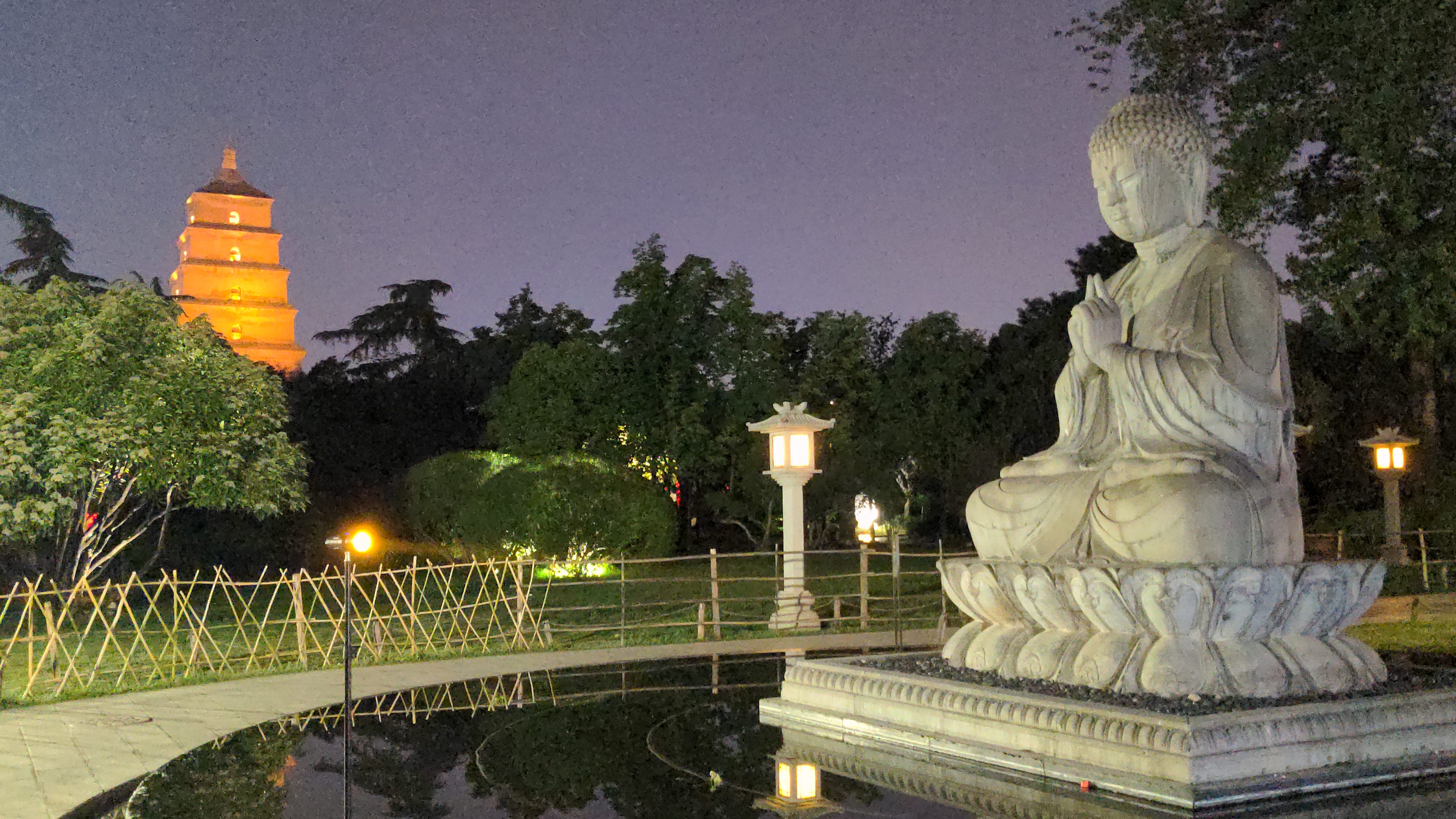
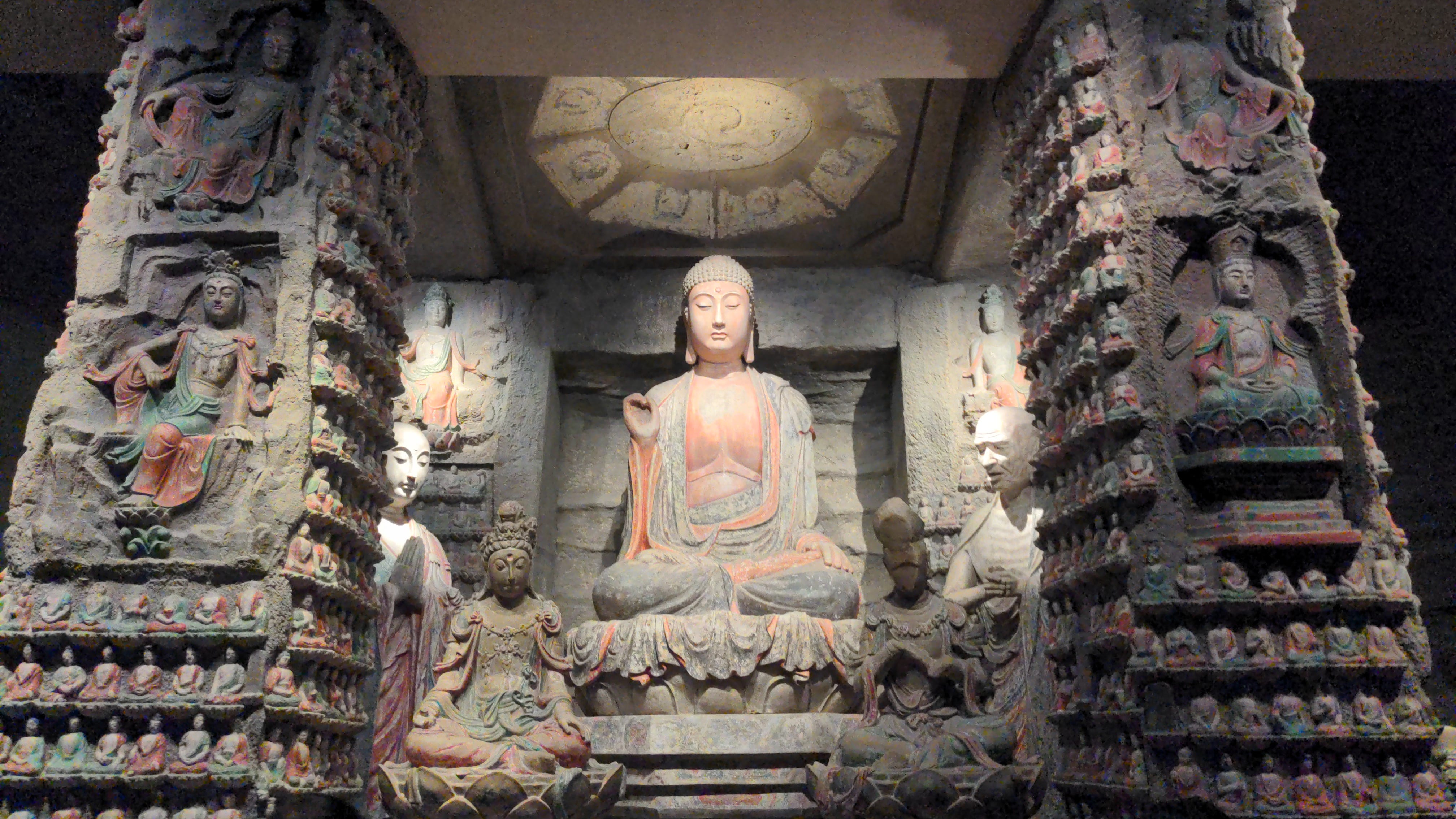
In fact China adores the history of Taoist and Buddhist influence on its dynasties, showcased in China’s parks and incredible museums.
Social Credit Score system does not exist.
Yup it’s true.
Imagine an app for the people of your own specific home town. If you sign up for it, you can increase your score, and by doing so, you get freebies .. like a hot drink at your local café or a meal at a local restaurant.
Such local apps were piloted, but didn’t take off. The Chinese government does black list people who have not paid a fine or refused to turn up to court, but the idea of a credit score was actually the Western media merging this with local apps. The Chinese have never heard of a government social credit score.
China is critical of its own society and what needs improving.
The Chinese government absolutely enforces the message: “the government may not be criticised for doing its best.”
But China can be, and is, critical of what needs improving. For example, while in China I watched an incredible 2024 film called Upstream about the gig economy and the extremely hard life of delivery scooter guys (highly recommended), and a very heavy 2024 film called Stand By Me about homeless children abused and/or abandoned by their parents and living on the streets.
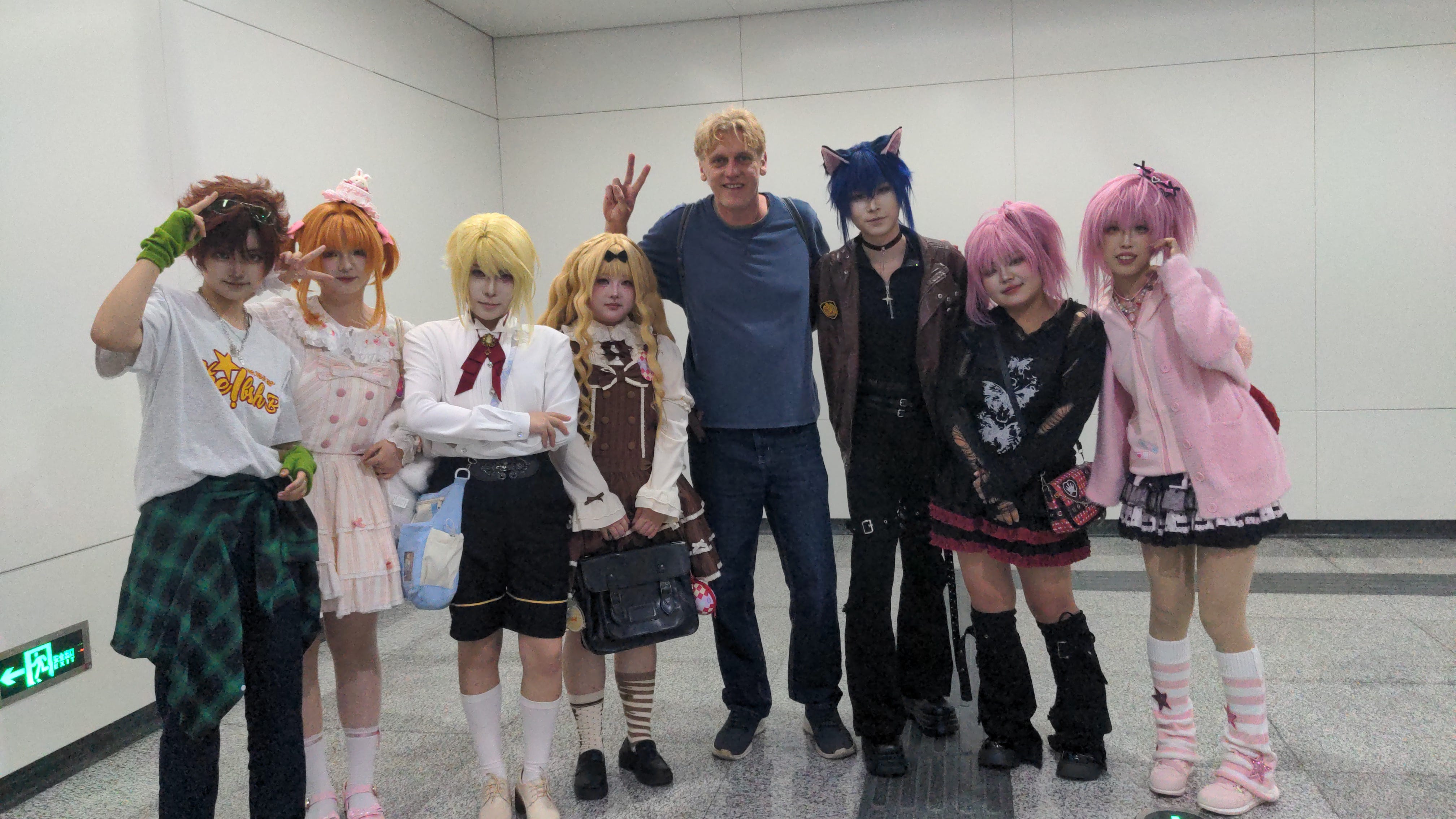
The Chinese youth love to dress up.
Men dress up as women, women as men, or why not dress up as an animal, a fairy, an elf, or as any one of your favourite characters from anime, manga, games, films, comics, or TV?
Then let’s go party!
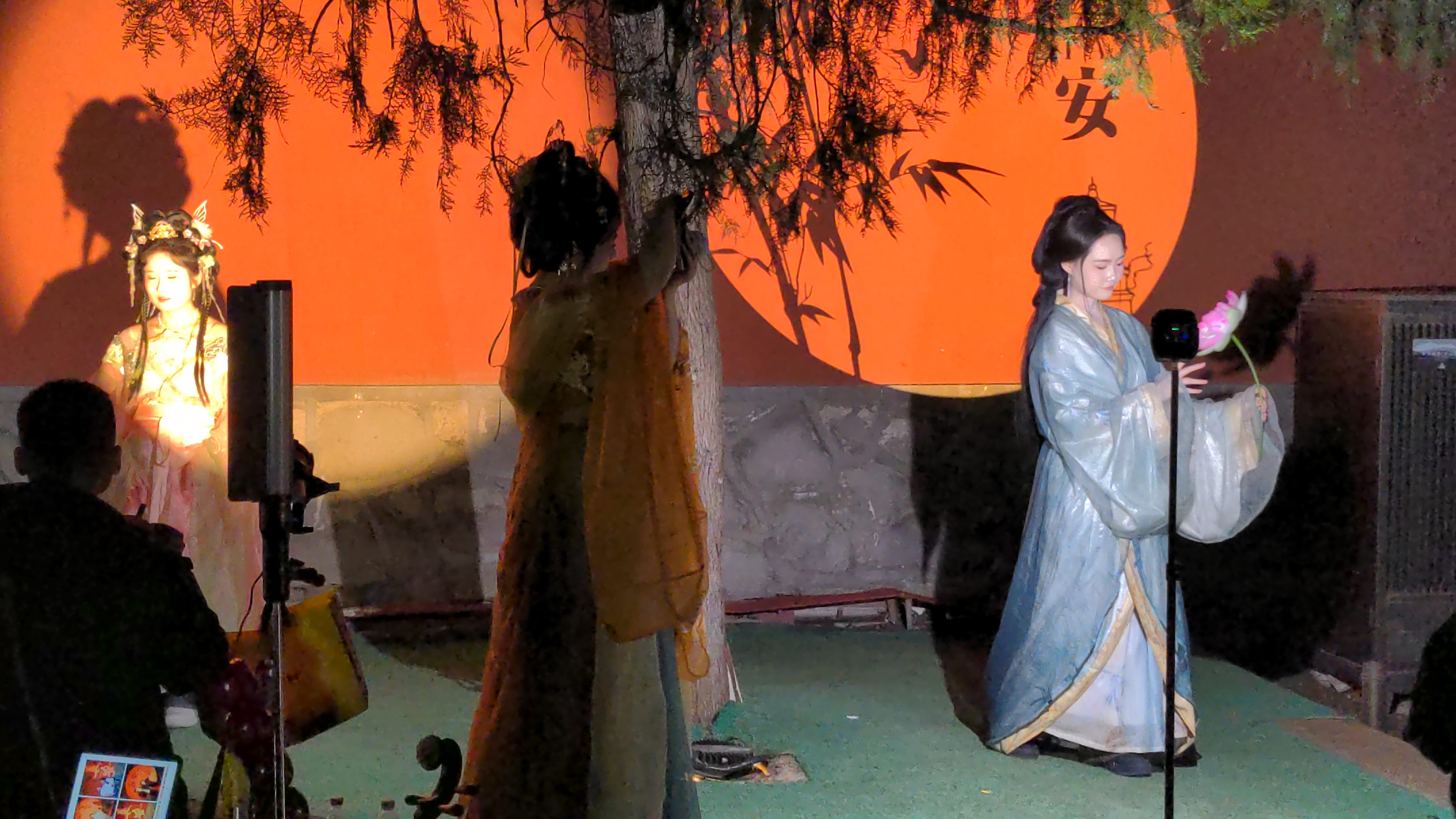
Others — both men and women — enjoy dressing up in clothes from their favourite Chinese dynasty to take photos or to walk around town.
The Chinese people have a live and let live attitude.
The Chinese don’t understand why anyone would not want to eat meat (when meat is sooo good 🤤) but you can be a vegetarian if you want to. 🤷🏼♂️
Homosexuality was decriminalised in 1997. The 2018 film Hello Mr. Billionaire has a reveal that two men are a gay couple at the end.
I saw women holding hands and men holding hands. Maybe just friends? But who cares? The point is that strangers just don’t interfere. Focus on your own life. Live and let live.
China feels playful.
The Chinese people love cute, creativity, and fun.
People young and old start unplanned dance gatherings in parks, in shopping malls, or simply on the street .. and anyone is welcome to join in.
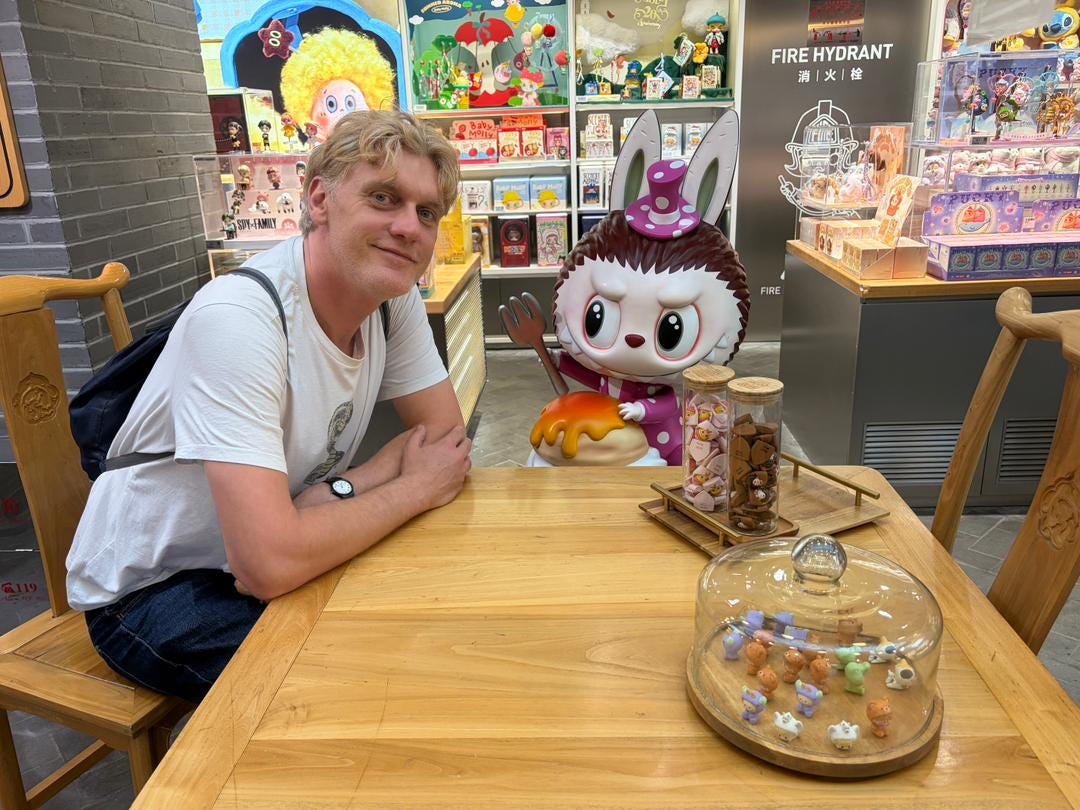
There are also loads of places to play all sorts of games, buy surprise toys, or go to one of the many DIY craft shops where you can go make things.
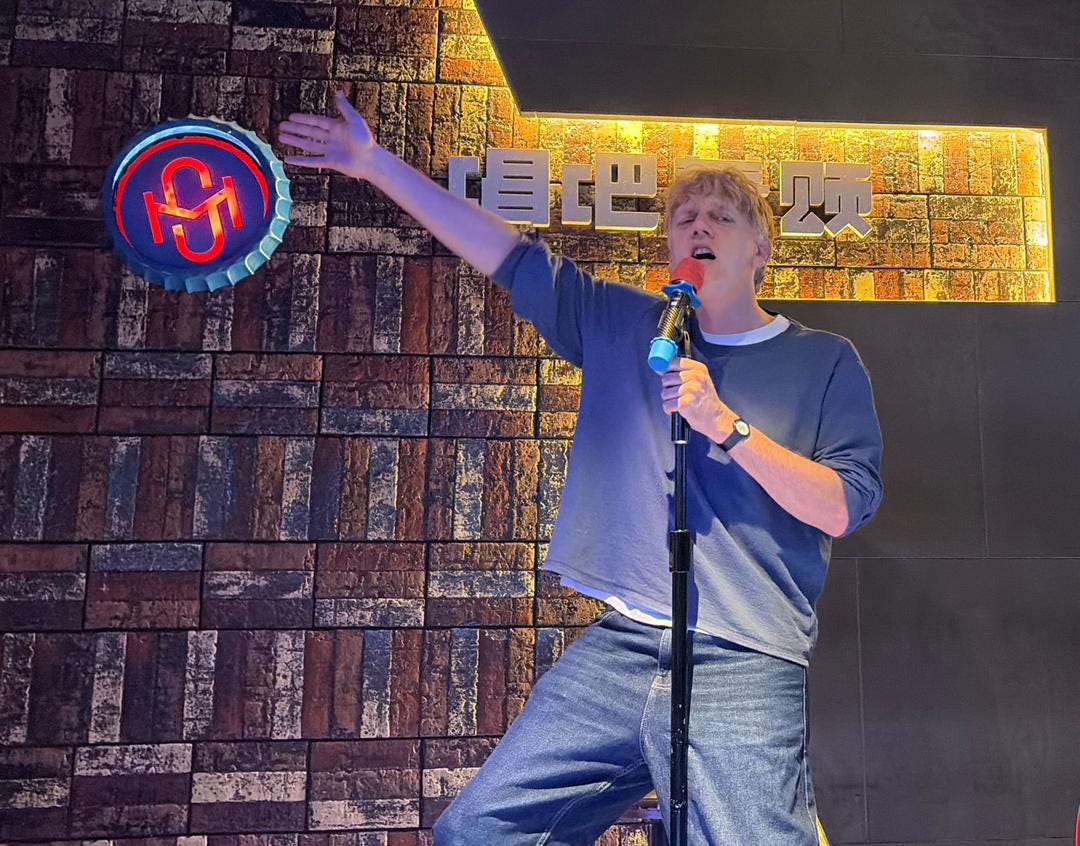
KTV (karaoke) is also a very typical fun evening out for the Chinese.
Everyone has access to cheap advanced healthcare.
I went to the doctor — and then I went again because the system was so good.
To see a specialist I turned up at the local community hospital and paid ¥15 yuan (about £1.50 or $2). The doctor then said I could have an ultrasound to be sure, so I paid ¥60 and waited just 30 mins. Around me were rooms with different medical scanners (MRI, CT, X-ray, etc) and people going for blood tests and full body check ups.
To give you an idea of what that cost is for locals, a meal in a restaurant can cost up to about ¥130, while typical street food costs around ¥20.
Officials are friendly.
It began the moment I arrived at the airport.
I had my reservations, invitation letter, etc, prepared, and the passport control officer didn’t check a thing. She said “Here for 30 days?” and with a big smile stamped my passport and said “Welcome!”.
From ticket checkers for the metro, tram or train, to security guards at museums. I had friendly chats with officials all the time.
People in China believe their government is advancing China for the benefit of all.
Try to imagine that in the 1980s (into the 1990s) China was an extremely poor country with people travelling around on bicycles. That, for me, is 🤯.
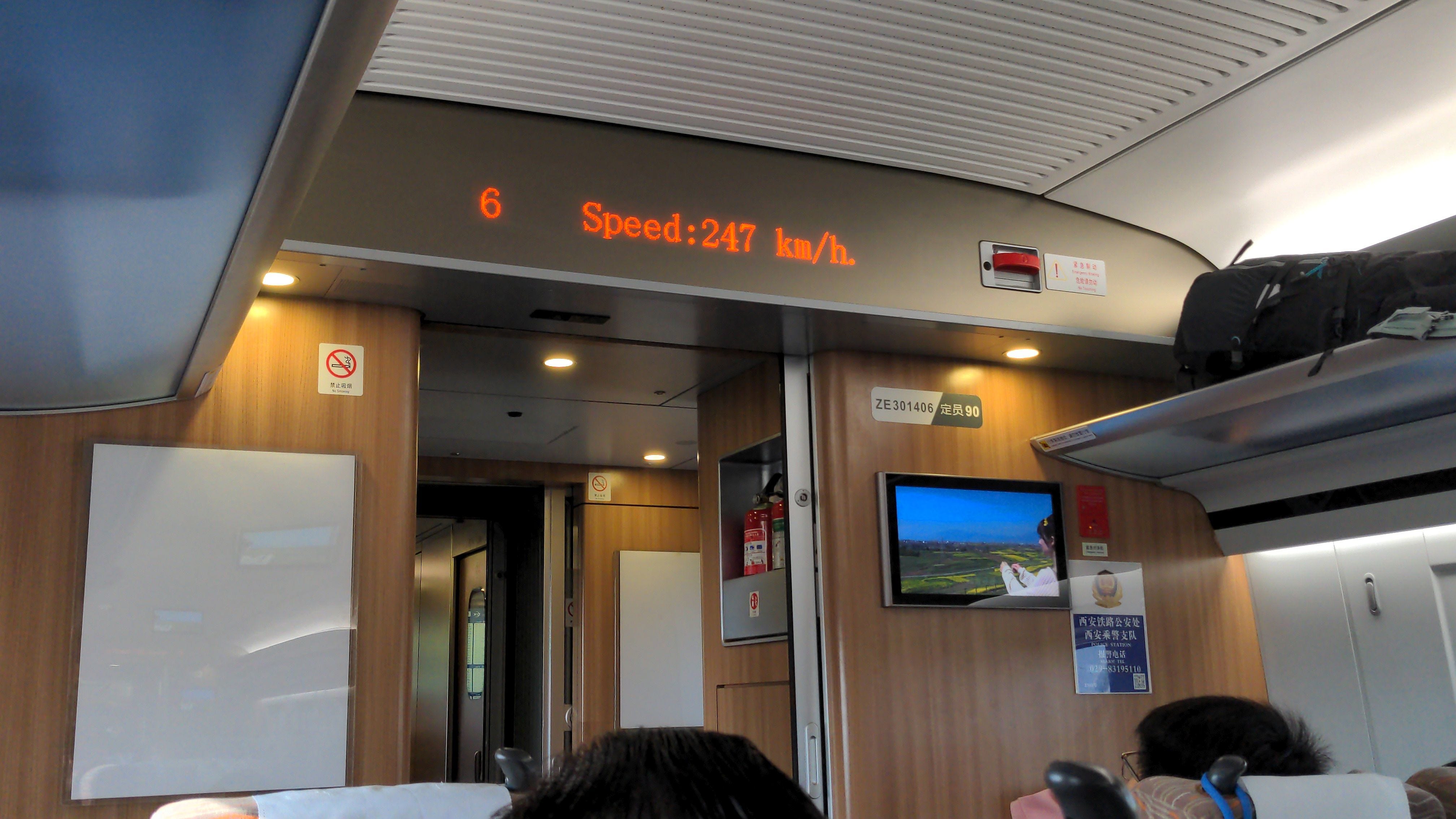
In just 30 years people have experienced their country becoming one of the cleanest, safest and most technologically advanced in the world.
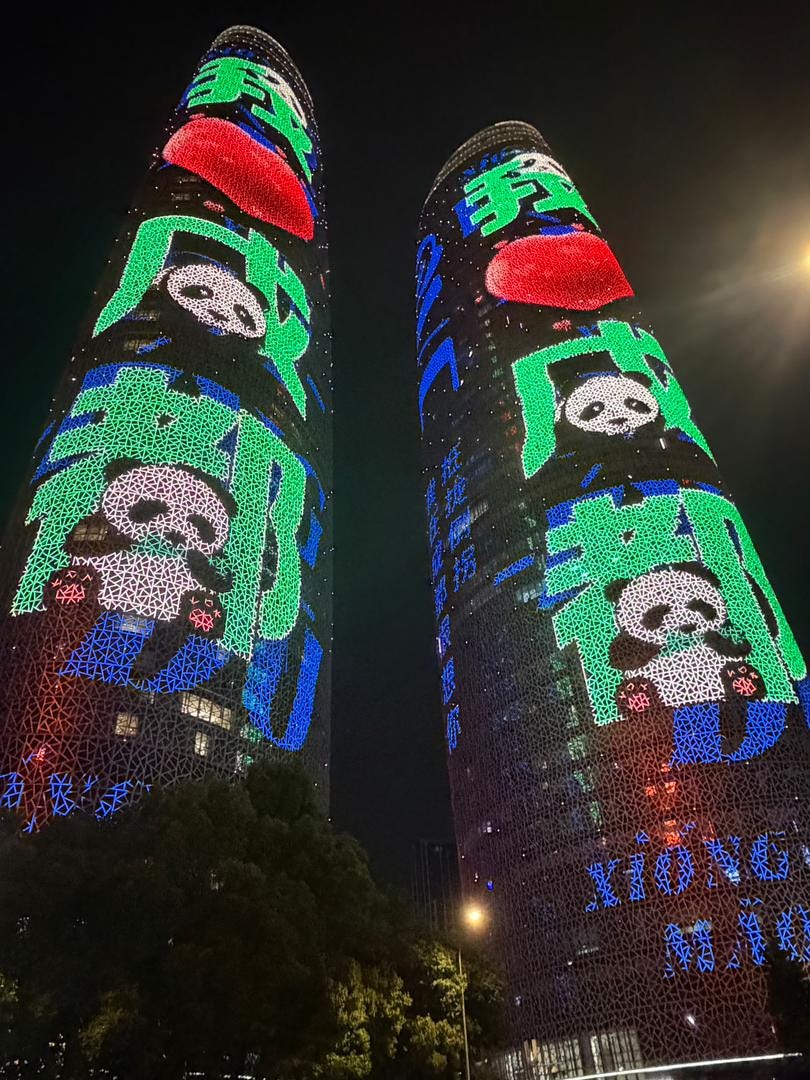
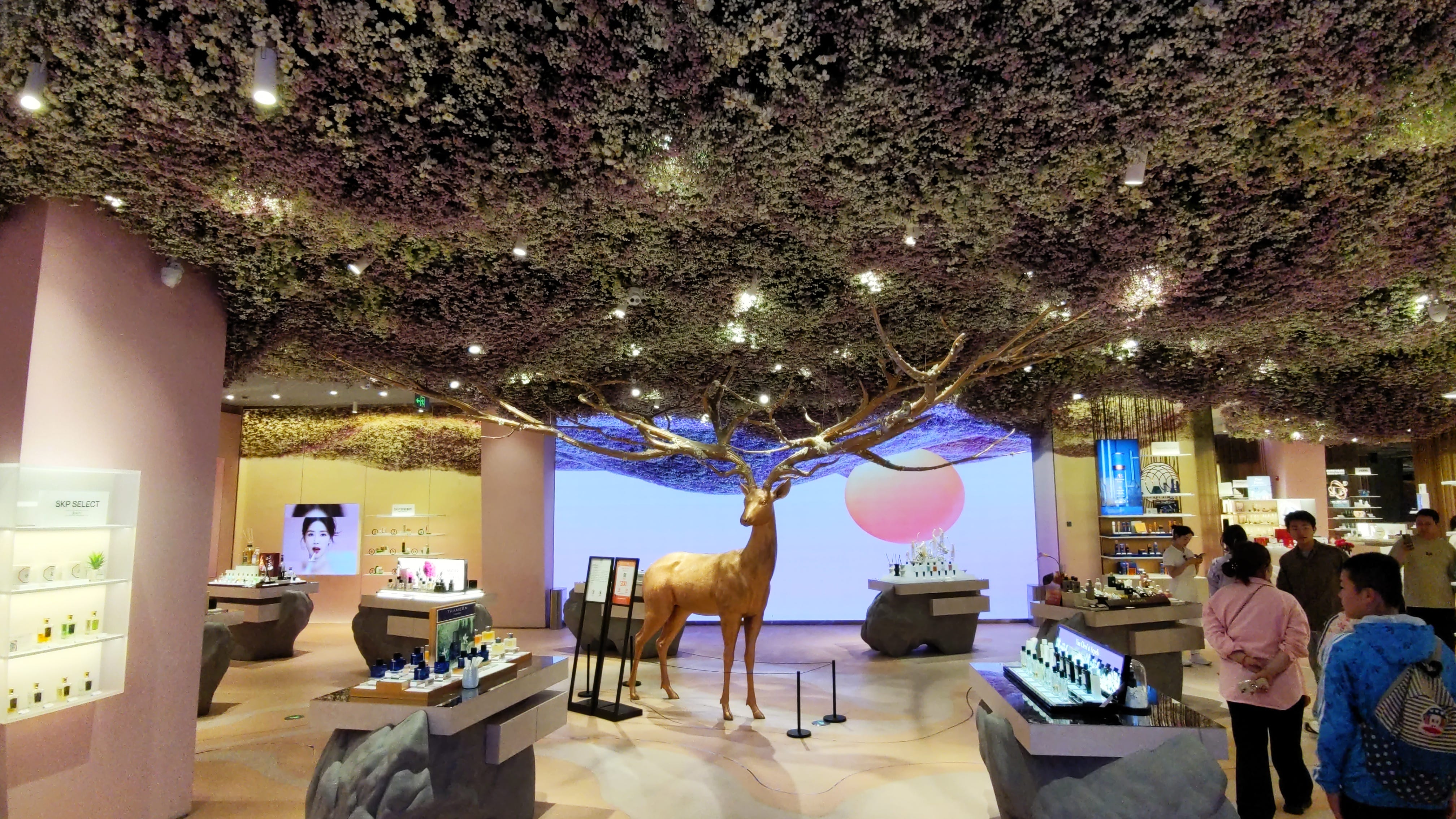
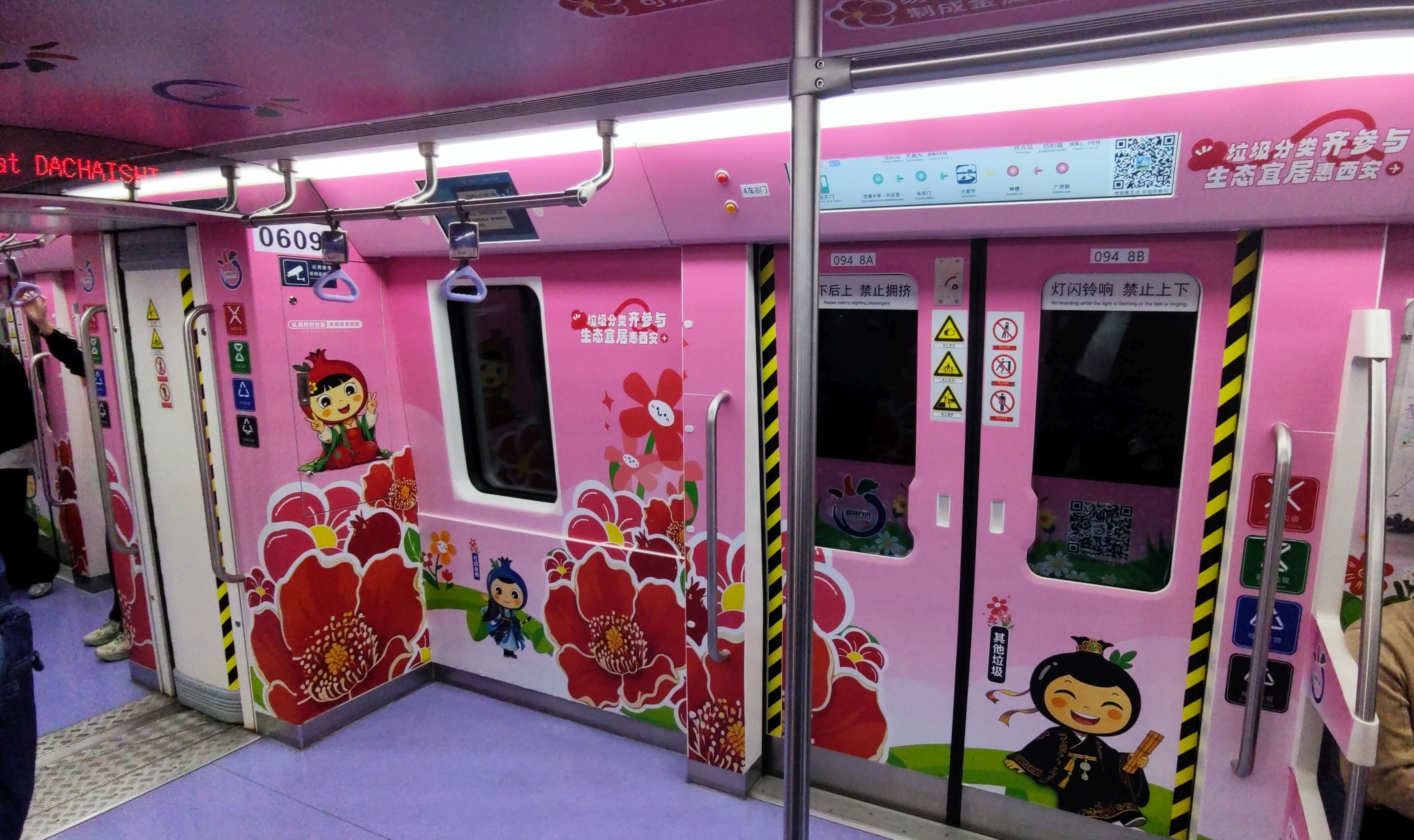
Electric cars and electric scooters have been commonplace for a decade already, successfully reducing smog, and China today boasts some of the most advanced architecture and infrastructure in the world. No matter someone’s wealth today, all have access not only to healthcare but also to state of the art museums, parks, shopping malls, and transport systems (bus, tram and metro tickets cost just ¥2).
Rules are explained and make sense.
China has cameras and rules everywhere. Rules like “Don’t eat on the metro so everyone can enjoy a clean environment” or “Supervise your children so fellow passengers can have a pleasant journey” or (my favourite just because I wanted to climb on a statue for a photo) “Don’t climb on statues so as not to damage them”.
But the rules don’t feel offensive. The tone is participation for the benefit of all, and the message is that together and unified we create a happy and functioning society.
In fact it may be surprising to learn that legally you can walk the streets drinking alcohol. Rarely someone does though, because people see it as bad form for a progressive and civilised society.
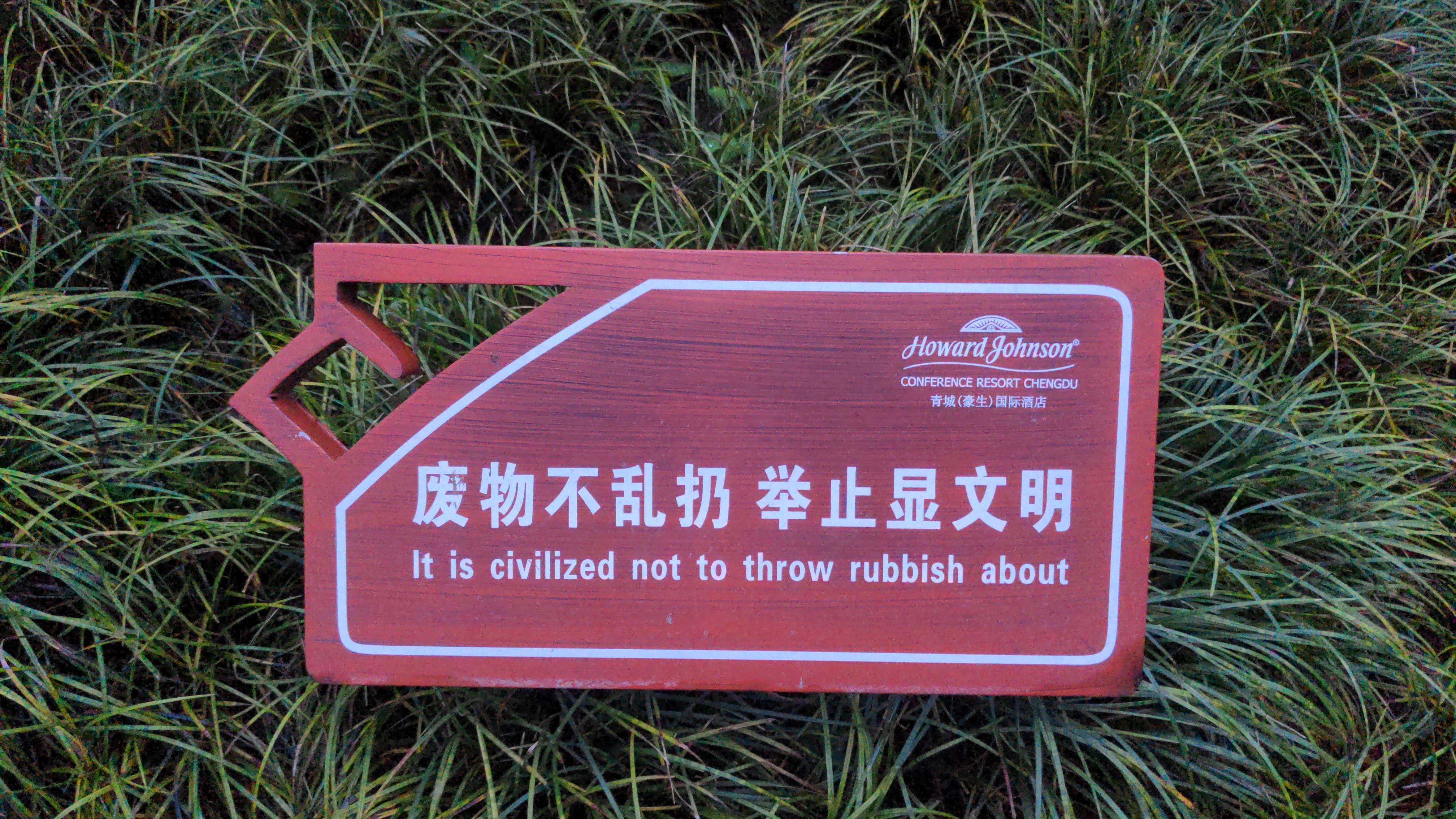
The Chinese government is interested in contentment not chaos.
Here’s an interesting fact: China has stored enough food reserves to feed its entire 1.5 billion people for at least a year in time of crisis.
And while China is considered cashless because QR codes via Alipay and Wechat Pay dominate transactions everywhere, cash must be accepted by businesses and people alike; the government maintains cash as compulsory legal tender to cover scenarios like technological failures or power outages.
While the West forecasts AI, robots, economics, wars, and geopolitics ending our world, the focus in China is entirely on progress with constant daily news reports showing AI and robots used for real life agricultural and medical advancements, reporting collaboration with other countries, and daily updates from their astronauts in space.
While there, I saw reports on projects with the UAE to ensure enough energy for China in the future, and with a German company helping to build China’s ‘flying cars’ (yes they’re real and being trialed right now).
China is so positive about the future of tech that it has an open source AI policy, and the government is actively putting plans into place to educate and provide alternative work to people whose jobs will be lost as AI and robots are used more.
The Chinese government promotes unity not hate.
The focus then — on TV, in the media, and out and about in shops, parks, malls, and museums — is one of progress, optimism, positivity, and “we’ve got you”.
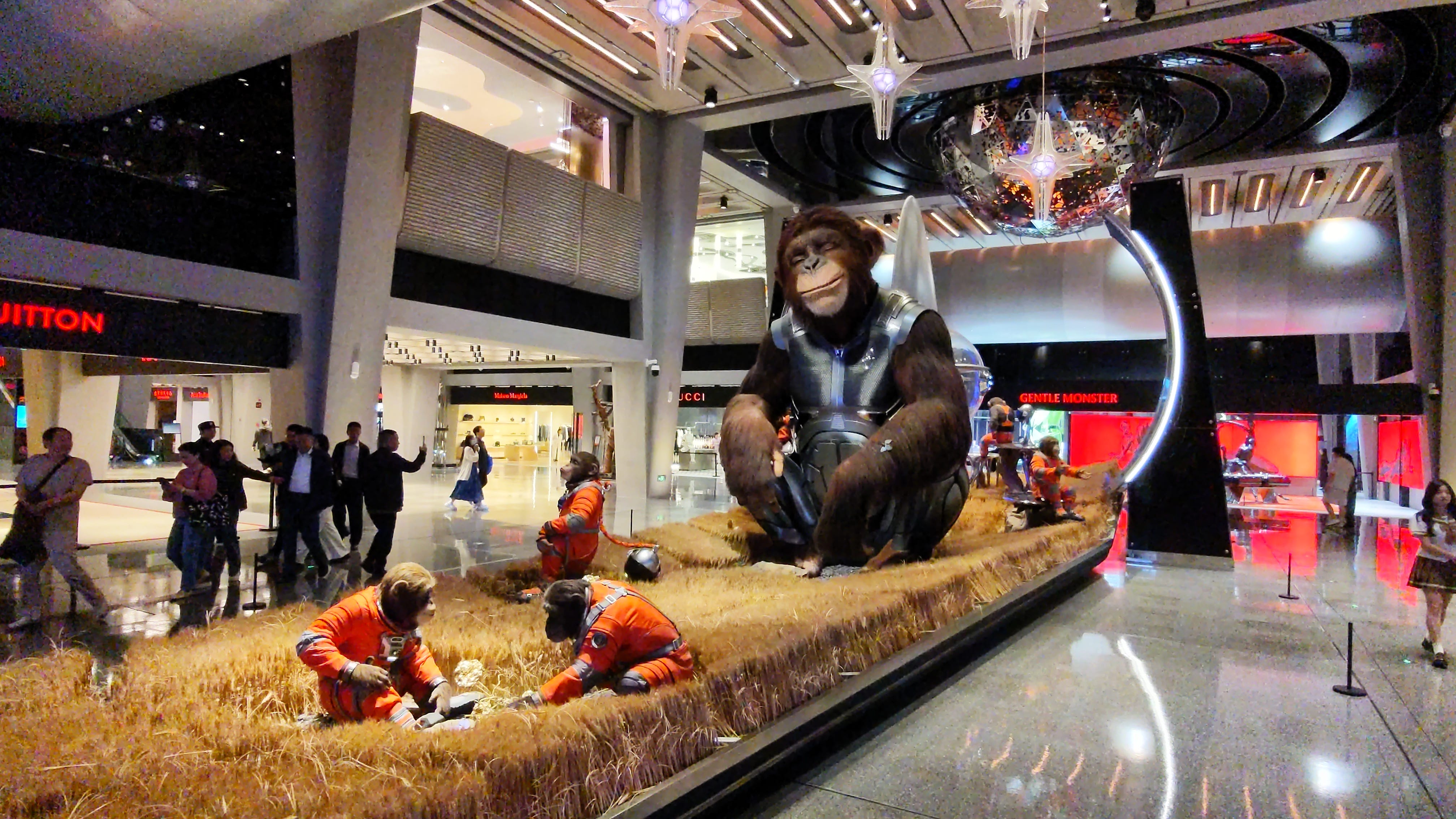
It was also interesting for me to see that news reports on wars were not critical of particular sides. China was not reporting on this country being bad — or this country being good. Russia is not better or worse than the USA. Ukraine is not better or worse than Russia. Reports are neutral.
Interesting also is that China has the world’s largest active military force, yet China’s official policy is ‘only go to war if directly attacked’.
The state message is not on disliking others, but on taking care of each other, and getting along, which includes China’s foreigners. Signs and announcements are in English, too. Posters on walls send the clear message: ‘united we are stronger’.
The importance of community is strongly promoted.
The Chinese believe family should take care of family.
There are very few homeless in China.
The reason is that if you are homeless, you are taken back to your relatives and they are expected to take care of you and get you off the streets.
I was asked following a few calls back home, “Is it normal in England that your parents or siblings complain about picking you up from the airport then?
Because in China they would be ashamed.”
The Chinese spend evenings and weekends, as well as festivals and holidays, at home or out and about, eating food and drinking tea, as families together .. parents, uncles, aunts, and cousins (who they call brothers and sisters).
Eating in China is crazy fun.
The Chinese are obsessed with food. It’s not about filling yourself up, or even about nutrition — the Chinese are obsessed with the experience.
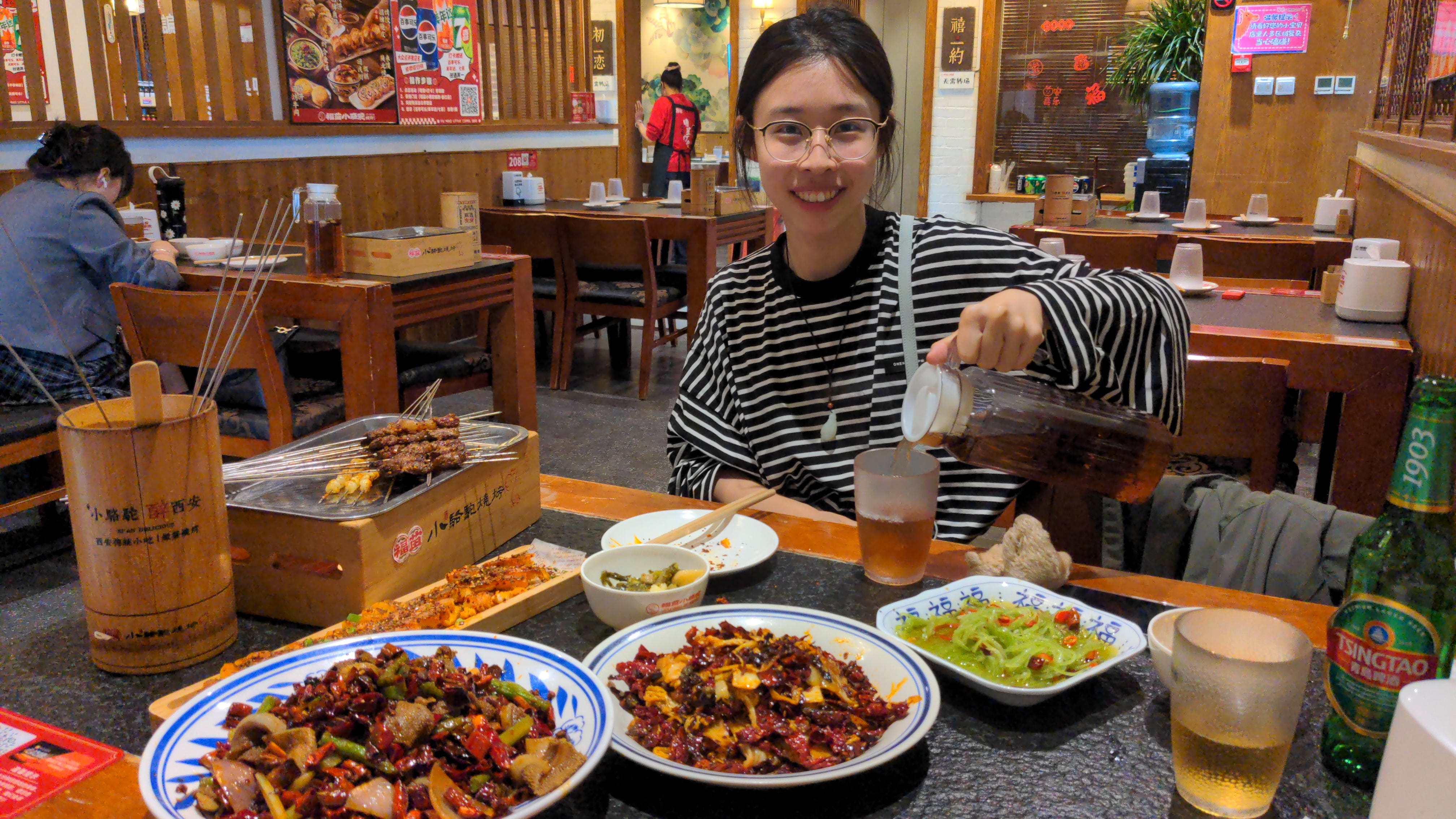
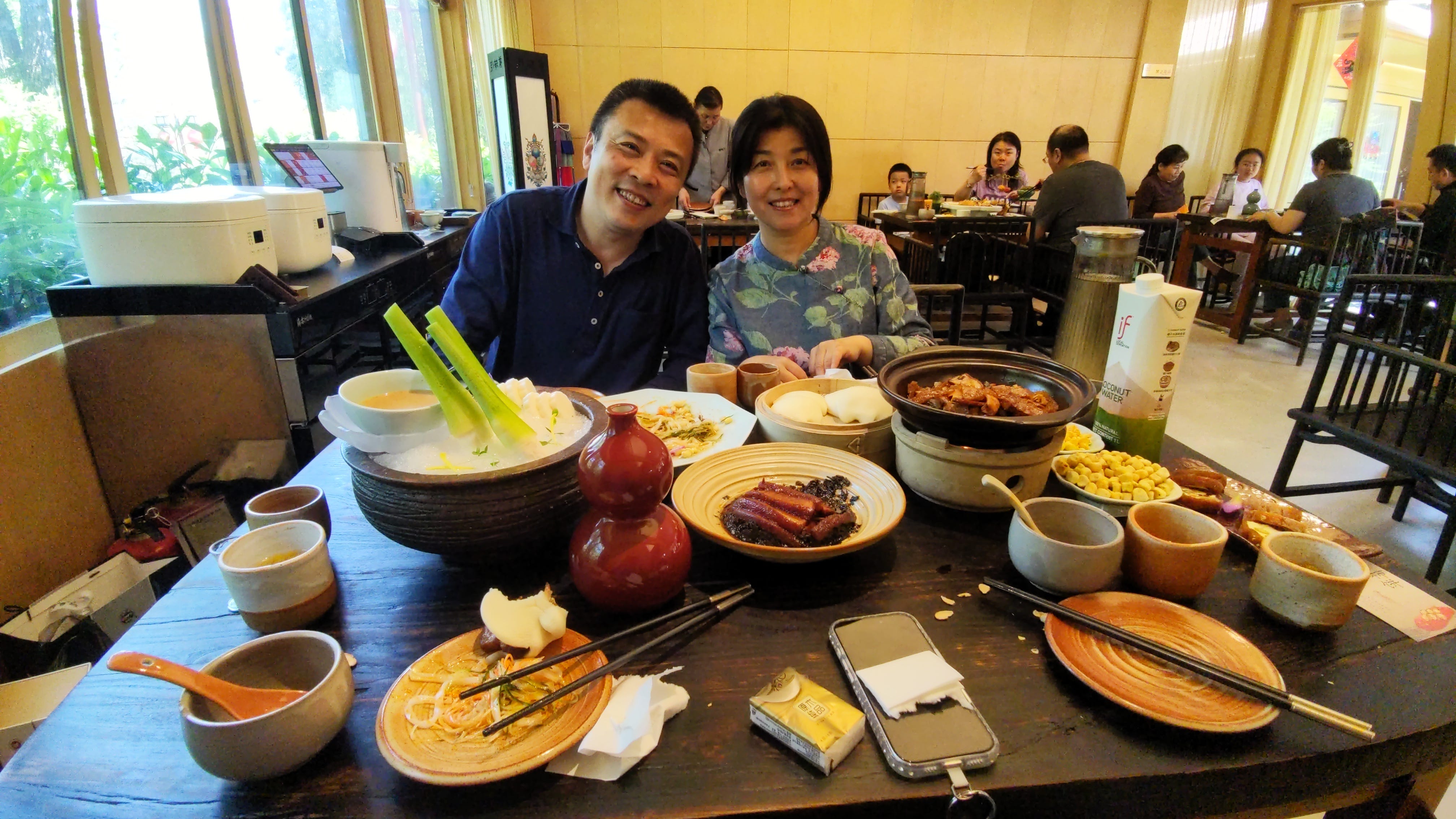
In traditional restaurants you can enter into the busy kitchen to prepare your own sauce. In modern restaurants, you can get a free manicure before your meal, a free photo print out after your meal, and if you are alone, you can have a friendly giant cuddly toy in the opposite chair to keep you company. The Chinese love cute.
The point of consumerism is to enjoy and play.
Consumerism is not seen as bad in China. It is fully embraced.
People have apps that give them free milk teas (Chinese don’t really drink hot coffee), meals, toys, etc, on different days. You can use your apps to order your free item (or purchase an item of course) so that when you arrive, it is ready to pick up and go .. you just walk around and pick stuff up.
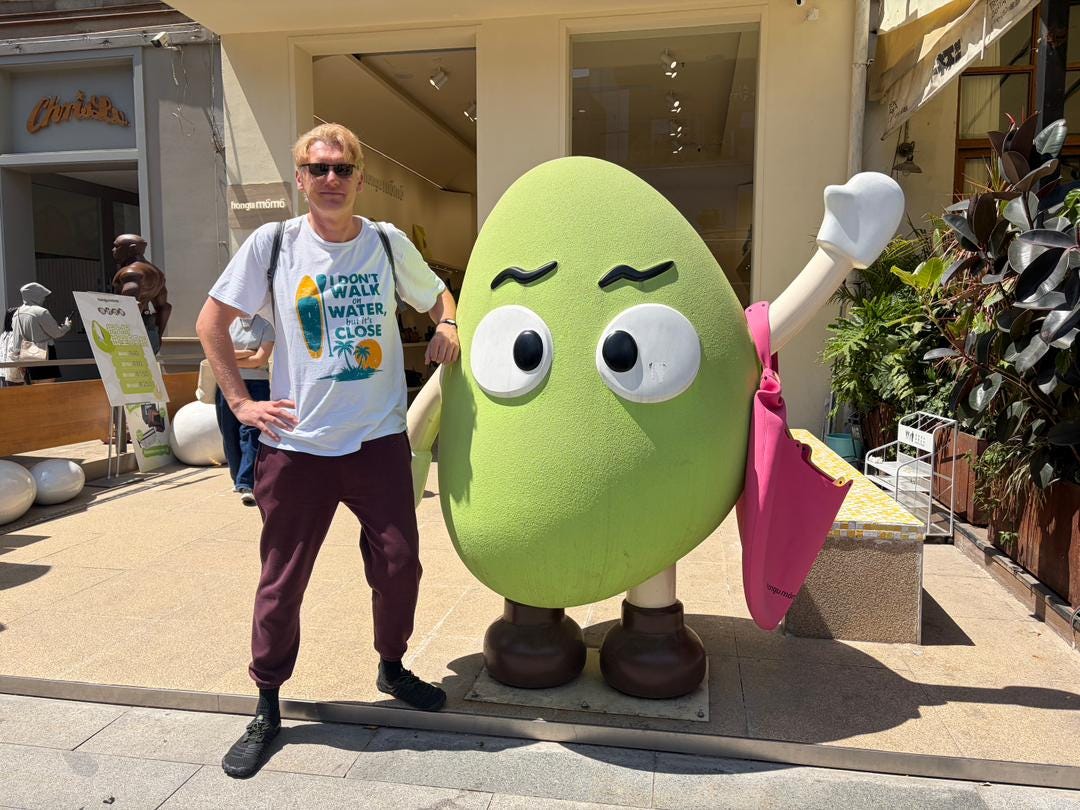
Or you can order and it will be delivered to you. If you’re in a hotel, your order is put in a robot that delivers to your room. Like a country that sells its worst beer to the rest of the world, the quality is super impressive compared to what we know.
Food is delivered in thermal bags, with plastic gloves for your greasy chicken, and purchases are in beautiful boxes, that all get thrown away — it is not good for the environment for sure, but China has absolutely perfected playful consumerism.
What blew my mind the most. 🤯
The way I would sum up my whole experience,
is that China is a country without cynicism.
That is not a small thing. Consider for a moment how you feel about the world after watching the news. Consider now how you might feel if the focus in your country was all on what is going right.
Is that less true than a narrative focused on all that is going wrong?
The opposite of cynicism could be described as lack of skepticism. I teach critical thinking. Critical analysis in my view is extremely important. But lack of cynicism also means not looking for the negative, and not expecting things to go wrong.
When masses of people focus on the negative, and look at the world glass half empty, this must express itself in the physical environment around us.
When masses of people focus on the positive, and look at the world with a lens glass half full, this too must express itself in the physical environment.
I’m not sharing these observations to argue that China is better or worse than anywhere else. But what if every type of society has lessons to share?
I wouldn’t want my drug addict relative dumped on my doorstep every time he’s found, but I would like it if my parents or brother or sister would pick me up when needed without creating some big drama and me dreading to ask.
China simply reminds us once again of something I’ve been exploring with you throughout my articles and newsletters:
Inherited narratives are always incomplete.
Conditioning is not your inner truth.
Inner freedom requires us to peel away our rigid beliefs.
Travel is one way of doing that.
It invites curiosity. It softens certainty.
This not only applies to our opinions about countries, nationalities, religions — the other, but especially applies to how we judge our own lives and ourselves.
Have you ever discovered something you believed to be absolutely true wasn’t as you previously imagined? How did that make you feel? How did it free you?
Building your castle — the life only you wish to build — requires questioning the map we were given. This is what my modality Freedom Hypnosis is all about ..
Peeling away beliefs about the world — or about yourself — that are stories you are following, but not really serving you, and not your inner truth.
When we stop turning outside ourselves for answers, then we are truly free.
If you enjoyed this post, please do ♡, 🔁, or 💬 ..
You and me. We’re walking our own unique versions of the very same path.
The path to feeling free!
Warmly on our journey,
Robito

Freedom-focused Hypnotherapy for inner authority, inner stability, building your castle, and feeling free.
More soon!
Really enjoyed that, Robito. It also confirms the experience of 2 other people I know who lived in China for several years. One of them said she felt more freedom there than here in Canada -- and couldn't find anyone who'd even heard of the social credit system. And as you said, it's not that China is perfect, but every narrative should be questioned.
Loved reading this. Thanks for expanding my perception xx